
7 Signs It’s Time for an Electrical Panel Upgrade

An electrical panel upgrade may be necessary when the equipment shows signs of damage or struggles to meet normal demand. Planned additions may also exceed the system’s capacity. Repeated breaker trips indicate a problem, though some homes may need a circuit breaker repair on only one circuit. An electrician inspects the system and explains the next step.
What electrical warning signs may indicate
Lights may dim when an appliance kicks on, or a breaker may trip during normal use. In other cases, the panel may feel warm or show corrosion.
Some signs call for a focused repair, while others may indicate that the home needs more circuit space or greater service capacity. Professional residential electrical services can determine whether the next step is a minor repair or an electrical panel upgrade.
Table of Contents
What does a panel upgrade change?
People often use “panel upgrade” to describe several types of electrical work. In some homes, the electrician replaces the panel while keeping the existing service size. In other homes, the electrician increases the service because the home needs more capacity.
A subpanel adds circuit space without increasing the home's available power. If the problem stays limited to one breaker, circuit breaker repair may be enough. Before recommending an electrical panel upgrade, the electrician determines whether the issue lies with the panel itself or the home’s overall capacity.
1. Breakers trip repeatedly during normal use
A circuit breaker protects the wiring when a circuit draws too much power or develops a fault. An occasional trip doesn’t automatically mean you need to replace the main panel.
Pay attention when the same breaker trips whenever a particular appliance runs. The appliance may have a problem, or the circuit may be under too much demand. Either a circuit breaker repair or a dedicated circuit may resolve that issue.
Several tripping breakers point to a broader concern. An electrician determines whether the panel has enough capacity.
2. The panel feels warm or gives off a burning smell
The panel shouldn’t normally feel unusually warm. Heat near the cover may indicate a loose connection or a damaged component.
A burning smell also calls for prompt attention. The same applies to buzzing or crackling sounds. Don’t remove the cover because parts of the electrical service may remain energized even when the main breaker is off.
An electrician may find a repairable connection problem. More extensive heat damage may support an electrical panel upgrade.
3. Lights dim when equipment starts
Some lights briefly change brightness when a large motor starts. Repeated dimming warrants closer attention, especially when it affects several rooms.
The problem may come from one overloaded circuit. It may also indicate a loose connection or a voltage issue. Widespread dimming prompts the electrician to review the home’s overall demand.
Residential electrical services determine whether the problem originates in a single circuit or involves the main service equipment. That distinction prevents an unnecessary replacement.
4. The panel has corrosion or visible damage
Rust or moisture marks near the panel indicate exposure to water. Moisture may damage breakers and interfere with connections inside the equipment.
Scorch marks also require attention. Breakers that sit loosely or a cover that no longer closes properly indicate physical damage. An electrician determines whether repairing a circuit breaker will correct an isolated issue. Damage that reaches the internal bus may require panel replacement.
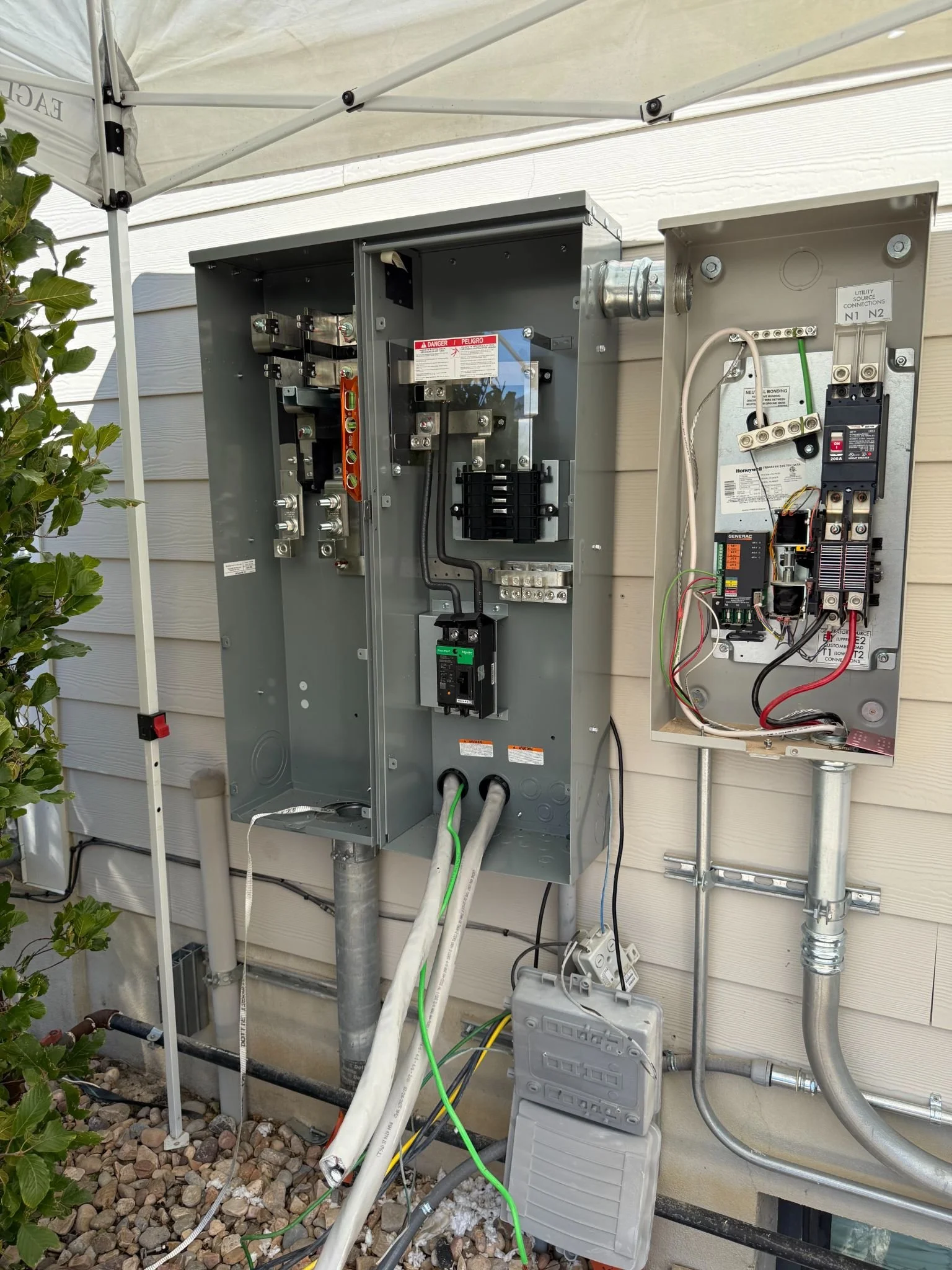
5. The panel has no safe room for new circuits
A full panel causes problems when the home needs an additional dedicated circuit. However, a lack of breaker spaces doesn’t always mean the home needs more amperage.
The electrician may install a subpanel when the existing service has enough capacity. A replacement panel may also provide more spaces while keeping the same service rating.
An electrical panel upgrade becomes more likely when the home lacks circuit space and available capacity. Residential electrical services evaluate each concern before setting the scope.
6. You’re adding high-demand electrical equipment
New equipment changes how much electricity the home needs. An EV charger may create a large continuous load. A heat pump also increases demand when the home previously relied on gas equipment.
The same concern comes up with an electric range or a hot tub. The electrician completes a load calculation to determine whether the current service supports the planned installation.
Some homes already have enough capacity. Others may use load management or a lower charging rate. When the current system can’t safely support the addition, an electrician may include an electrical panel upgrade as part of the project.
7. The home has an older or outdated panel
Age alone doesn’t prove that a panel needs replacement. The electrician also looks at its condition and whether approved parts remain available.
A fuse-based system may not support the way the home uses electricity today. Some older panels contain unsafe modifications from previous work. Other equipment may have a recall.
Circuit breaker repair may not offer a practical solution when compatible parts are unavailable. In that case, a new panel would better support future electrical work.
Does an electrical panel upgrade require rewiring?
Most panel projects don’t require a whole-house rewire. The electrician usually reconnects existing branch circuits when the wiring remains safe and properly sized.
The inspection may uncover damaged wiring or unsafe previous connections. Targeted rewiring may stay limited to the affected area.
A panel project also doesn’t automatically bring every electrical component in the home into the scope. Residential electrical services include panel work and targeted circuit corrections identified during the project.
What does an electrician check before recommending an upgrade?
The electrician begins by inspecting the panel’s physical condition. They confirm the service rating and review how the home uses electricity.
The evaluation also accounts for planned equipment. The electrician checks whether the panel has usable circuit spaces and whether the grounding setup supports the proposed work.
Those findings guide the recommendation. One home may only need circuit breaker repair. Another may benefit from a subpanel. A damaged panel may need replacement even when the service size stays the same.
A full electrical panel upgrade makes sense when the home needs more capacity or when the existing equipment can’t safely support future use.
FAQ
Is a 100-amp electrical panel always too small?
No. A 100-amp service may support a smaller home with limited electrical demand. An electrician uses a load calculation to determine whether the existing service is adequate for the home.
Can a subpanel replace a service upgrade?
A subpanel creates additional circuit spaces, but it doesn’t increase the electrical capacity available from the service. It works when the panel is full, and the home still has unused capacity.
How long will the power be off?
The outage depends on the scope and whether the utility needs to participate. The electrician explained the expected shutdown before installation day.
Does a professional need to complete the work?
Yes. Panel work involves the home’s main electrical equipment and may require a permit. A licensed electrician coordinates the inspection and utility steps.
Can one bad breaker require a new panel?
Not always. Circuit breaker repair may solve the issue when the breaker is compatible with the panel and the surrounding equipment remains safe.

Talk with Today Home Service about your electrical panel
Repeated electrical problems deserve a clear evaluation, but the recommendation depends on the cause. Today, Home Service inspects the system and explains whether the home needs a targeted repair or additional circuit space.
Our residential electrical services also help homeowners plan for new equipment and future demand. Contact Today Home Service to schedule an inspection and learn whether a panel upgrade is right for your home.
