
How to Upgrade Your Home’s Electrical System for Energy Efficiency
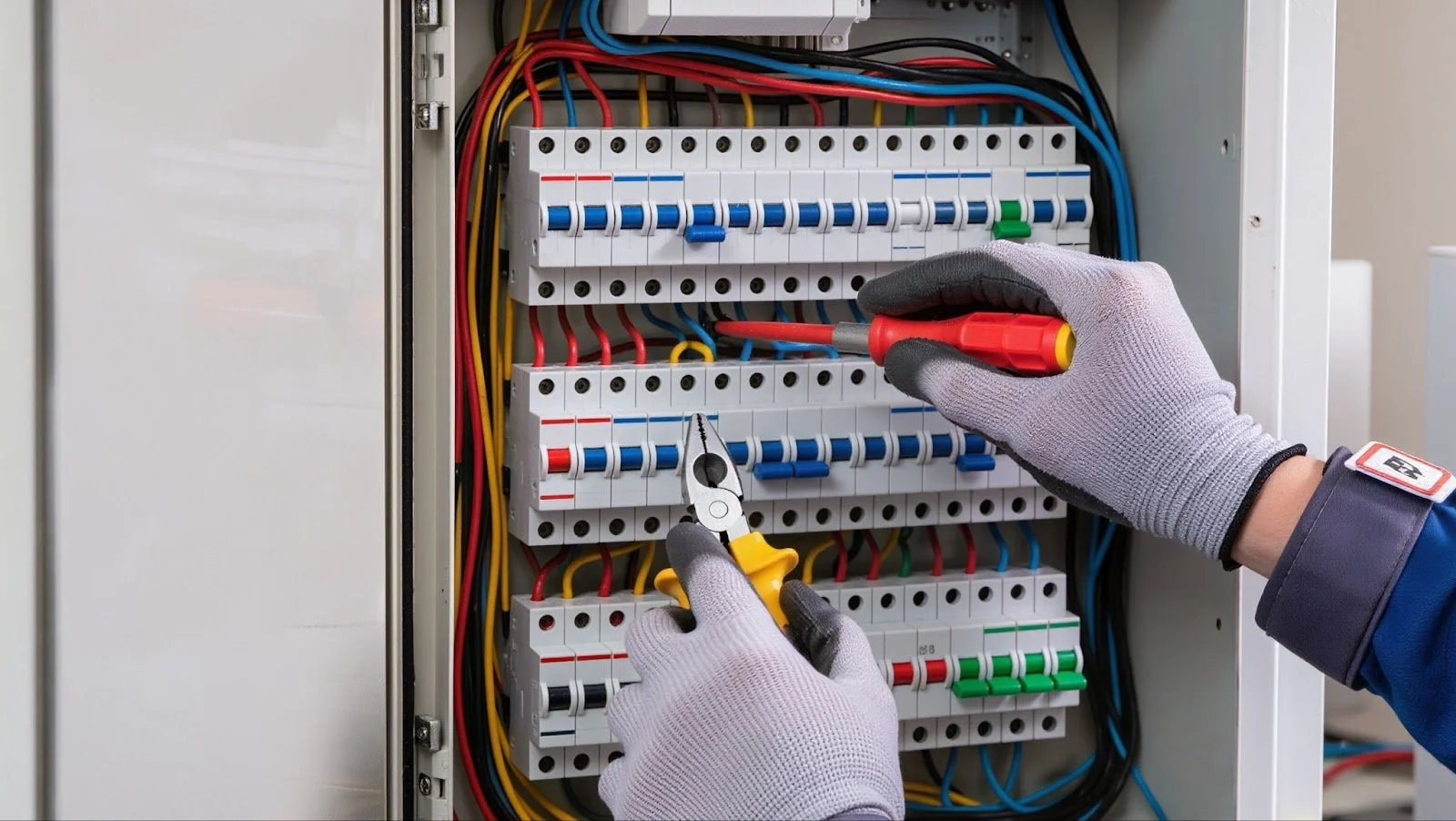
An energy-saving electrical update focuses on safer distribution, better control, and reduced wasted power. The most effective path usually starts with a targeted electrical upgrade, then adds smart controls, efficient lighting, and modern load planning. Residential electrical services ensure technicians install every energy-efficient electrical improvement safely.
Modern electrical upgrades that boost energy efficiency
Efficiency upgrades go beyond swapping a few bulbs. If your home’s electrical system is outdated, you may deal with overloaded circuits, limited control, and “always-on” energy waste that adds up over time. Homeowners are modernizing how power flows through the house, then layering in smart controls and high-efficiency components.
This guide breaks down the most practical steps, what to prioritize first, and how to build a safer, more energy-efficient electrical setup without guesswork.
Table of Contents
What energy-efficient electrical upgrades mean for your home
An energy-efficient electrical plan usually focuses on:
Capacity and safety: Prevent trips, hot outlets, and flickering caused by overloaded circuits.
Control: Use timers, sensors, and smart controls to cut wasted runtime.
Modern distribution: Update panels, balance loads, and add dedicated circuits so major equipment runs efficiently.
Some upgrades are simple, like lighting and controls. Others require a focused electrical upgrade to build a solid foundation. Most gains come from better control and right-sized capacity, not more gadgets.
How homeowners plan a modern electrical upgrade for efficiency
Use this sequence to plan changes in the right order and avoid paying for the same work twice.
1. Identify your biggest sources of wasted energy
Common culprits include outdated lighting, exterior lighting left on overnight, always-on devices, older exhaust fans, and poor control over heating and cooling accessories.
2. Look for warning signs that the system is limiting efficiency
Frequent breaker trips, dimming lights when appliances turn on, warm outlets or switch plates, buzzing sounds, and extension-cord “workarounds” often point to capacity problems.
3. Schedule a home assessment and load review
A pro evaluates panel capacity, circuit distribution, grounding, and opportunities to reduce waste through control and design. This is where residential electrical services help you prioritize improvements based on impact.
4. Panel and circuit planning
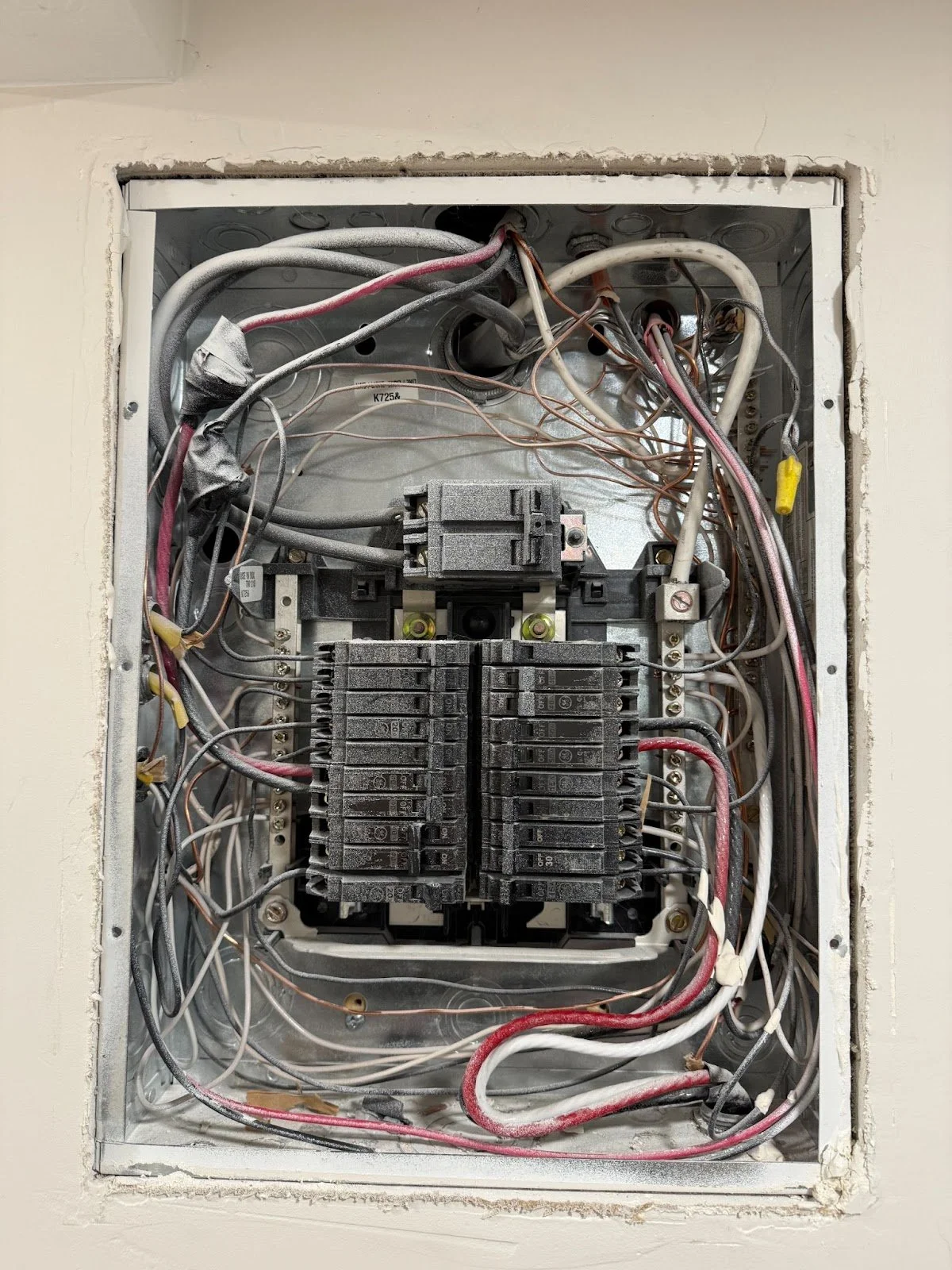
If the panel is outdated or undersized, it can restrict everything you want to do next. This is often the most important part of an electrical upgrade because it supports safer distribution and future efficiency upgrades.
5. Add controls that cut waste automatically
Occupancy sensors, dimmers, timers, and smart controls reduce runtime without relying on habits. This is one of the most practical, energy-efficient electrical improvements because it generates daily savings.
6. Upgrade lighting and match circuits to usage
Convert to LEDs where possible, then pair high-use areas with dimming and occupancy control. Kitchens, hallways, laundry rooms, and garages are often the best starting points.
7. Plan dedicated circuits for high-draw equipment
Efficient appliances and HVAC systems still need the right electrical support. Dedicated circuits can improve performance, reduce nuisance trips, and keep loads balanced.
8. Verify, label, and document the finished work
Testing, panel labeling, and clear documentation make your system easier to maintain and safer to expand later.

Why upgrading for energy efficiency is worth it
While efficiency upgrades help with monthly bills, they also make your home easier to live in when done well.
Reduced wasted runtime: Controls like sensors and timers lower energy use without daily effort.
Improved performance: Balanced loads and dedicated circuits help equipment run more consistently.
Better comfort support: Efficient HVAC and modern appliances perform best when the electrical system supports them correctly.
Fewer electrical annoyances: Less flickering, fewer nuisance trips, and fewer “mystery” outages.
Future-ready flexibility: EV charging, solar, battery storage, and smart features become easier to add later.
More dependable results: Working with residential electrical services helps ensure upgrades are sized correctly, installed safely, and ready for inspection.
Common electrical upgrade mistakes to avoid
Avoid these missteps to protect your investment and keep improvements efficient.
Treating efficiency as “only LEDs”: Lighting helps, but it won’t fix undersized panels, overloaded circuits, or poor control.
Buying smart devices before fixing the foundation: Smart controls can’t compensate for unsafe wiring or capacity issues.
Skipping a plan and doing upgrades out of order: A piecemeal electrical upgrade can force you to redo work later, especially if you don’t plan panels and circuit layouts early.
Ignoring permits and inspections for major work: Efficiency doesn’t matter if the installation isn’t safe or compliant.
Overloading existing circuits with new tech: EV chargers, heat pumps, and new appliance packages often require dedicated circuits.
Not labeling circuits or documenting changes: A well-labeled panel improves safety and reduces troubleshooting time.
Data and research insights homeowners should know
You don’t need complicated math to understand where efficiency wins come from. These patterns show up repeatedly across homes:
What drives efficiency
LED lighting + dimming
Sensors and timers
Panel and circuit modernization
What it changes
Lower wattage and less runtime
Automatic shutoff
Better distribution and support
Reduced always-on load
Why it matters
Big impact in high-use areas
Reduces wasted “on time”
Improves reliability and enables efficient equipment
Small items add up over months
In many homes, the fastest wins come from controls and lighting, while the biggest long-term gains come from modern capacity and distribution.
Tools and products to consider for an energy-efficient electrical system
These upgrades are common starting points, grouped by impact.
Lighting and control upgrades
LED bulbs and LED fixtures in high-use areas
Dimmers (where compatible)
Occupancy sensors for hallways, laundry rooms, closets, and garages
Timers for bathroom fans and utility-room equipment
Smart controls for exterior lighting schedules
Load management and monitoring
Smart plugs for always-on devices (selective use)
Whole-home energy monitors to spot patterns
Surge protection to help protect modern electronics and smart gear
Foundation improvements
Panel modernization and load balancing
Dedicated circuits for high-draw appliances and HVAC components
Updated outlets and switches where needed
If you’re planning a larger electrical upgrade, this is where a professional scope matters most. Many homeowners schedule residential electrical services to evaluate capacity, recommend priorities, and ensure the work supports long-term efficiency and safety.
FAQ
-
Start with the upgrade that unlocks everything else: controls and lighting for some homes, or panel and circuit modernization for others. An assessment helps you prioritize.
-
Not always. If your panel is well-sized and in good condition, lighting and controls may deliver greater gains. Upgrade the panel if you’re tripping breakers, short on capacity, or adding new loads.
-
Frequent trips, flickering lights, warm outlets, buzzing, burning smells, or heavy extension cord use. Get an evaluation before adding devices or major loads.
-
Yes. They cut wasted runtime for lights, fans, and exterior circuits. They work best with efficient fixtures and correctly sized wiring.
-
Results vary, but LEDs and smart controls often create the most noticeable savings by reducing daily waste. System modernization improves reliability and supports efficient equipment.
-
Often, yes. EV and solar setups benefit from proper capacity, dedicated circuits, and load planning. Upgrading first simplifies installation and improves performance.
What Utah homeowners should consider
Utah homes often experience significant seasonal shifts, which change how and when you use power. Winter heating accessories, humidifiers, and added plug-in loads strain older circuits. Summer cooling and garage equipment create similar issues.
If your home is older or you’re planning an EV charger, a proactive plan will help you avoid nuisance trips and support efficiency upgrades. Many homeowners start with a control and lighting pass, then evaluate whether a larger electrical upgrade makes sense based on capacity and future plans.
Upgrade your home’s efficiency with Today Home Service
The best energy-efficiency gains come from the right sequence: improve control, modernize lighting, and make sure the system safely supports today’s loads. If your home needs deeper modernization, a well-planned approach prevents rework and sets you up for future upgrades.
Contact Today Home Service for residential electrical services that help you plan and install lasting, energy-efficient electrical improvements with clear recommendations and professional workmanship.
