
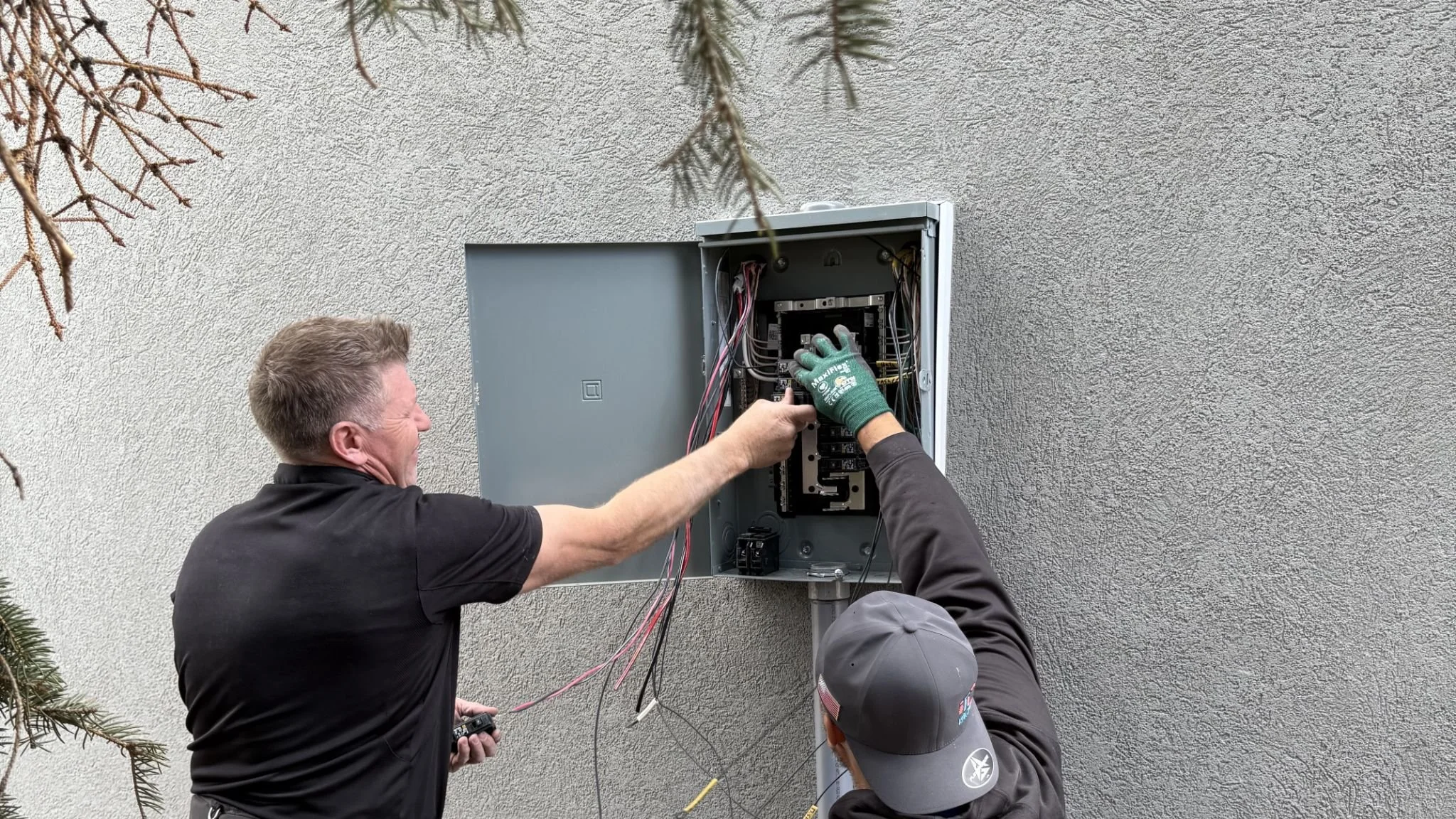
Licensed electricians help homeowners plan safe, reliable EV charging by assessing electrical capacity, selecting appropriate circuits, and complying with local code requirements. For home EV charger installation, electricians also explain whether the existing panel supports the charger and handle permitting and inspection steps. Their assessment helps homeowners avoid unnecessary electrical work and choose practical charging options.
What to know before installing a home EV charger
Installing a home EV charger makes everyday charging more convenient, but the process requires careful electrical planning. Your home's existing electrical system may need adjustments to support the charger's power demands.
Before purchasing equipment, homeowners benefit from understanding what an electrician checks during home EV charger installation. Professional electrical services help homeowners choose the right setup and avoid unnecessary upgrades.
Table of Contents
Why a licensed electrician is important for home EV charging
EV chargers generally fall into three levels. Level 1 charging uses a standard 120-volt household outlet and offers slower charging speeds. Level 2 charging uses 240-volt power and charges vehicles faster, making it a popular choice for overnight home charging. Level 3 charging, also known as DC fast charging, uses specialized high-powered equipment that drivers typically find at public charging stations.
Level 2 chargers usually require a dedicated electrical circuit to handle their sustained power demand. During EV charger installation, a licensed electrician evaluates the home's electrical capacity and checks whether the existing panel supports the charger. This assessment helps determine whether the home needs additional wiring or electrical upgrades.
Homeowners who use an existing suitable outlet for Level 1 charging generally don't need new electrical work. Installing a new Level 2 circuit involves additional requirements, including compliance with electrical codes and obtaining local permits. A licensed electrician helps homeowners understand those requirements and choose an installation that fits their electrical system.
What electricians check before installing a Level 2 charger
Electrical capacity and the panel's condition
An electrician checks how much power the home already uses and whether the electrical panel has enough capacity for an EV charger. They'll look at the panel's condition and service rating, along with the demands of existing appliances. Even if the panel has an open breaker slot, the home's electrical system might not support the additional load.
If the home has limited electrical capacity, the electrician may suggest a charger with a lower power output or a load management system that adjusts charging based on household demand. Some homes need an electrical panel upgrade, but the electrician will determine whether that's necessary after assessing the existing system.
Circuit design and charging equipment
The electrician selects the appropriate wiring and circuit breaker based on the charger's electrical requirements. Because EV chargers often draw power for several hours at a time, the wiring needs to handle that demand safely. The electrician also checks the grounding and determines whether the circuit requires GFCI protection.
Hardwired chargers connect directly to a circuit, while plug-in models use a compatible receptacle. Both approaches require appropriate electrical infrastructure.
Placement, permits, and final checks
The charger's location affects how much wiring the installation requires. Placing it near the electrical panel may simplify the work, but the charging cable still needs to reach the vehicle easily. Outdoor installations also require weather-resistant equipment and a suitable mounting location.
An electrician reviews local permit requirements and arranges any necessary inspections. They also test the charger to confirm it operates correctly. Homeowners should verify that their installation quote includes permit fees and inspection coordination.
How EV charger wiring works with a 100-amp electrical panel
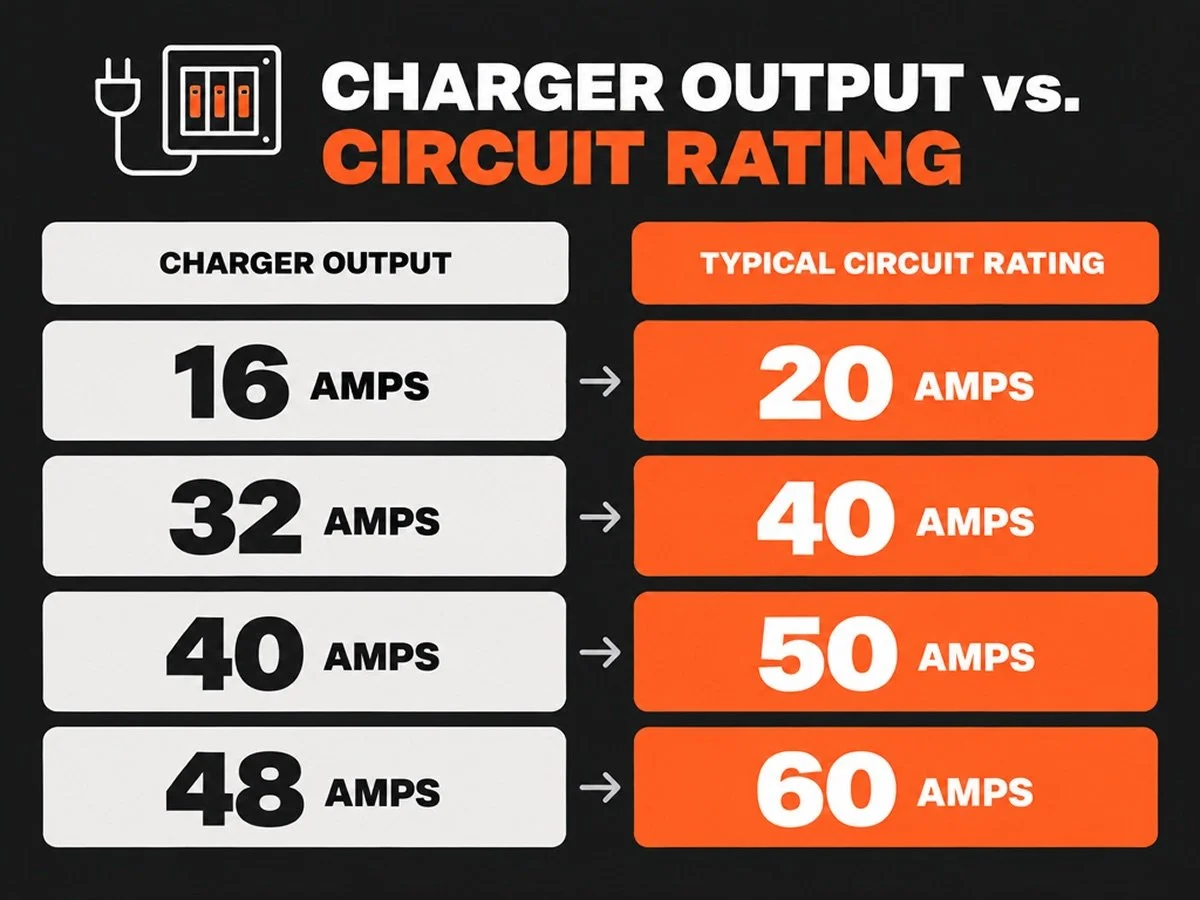
A homeowner with 100-amp electrical service wants to install a 48-amp Level 2 charger, which typically requires a 60-amp circuit. An electrician first checks whether the home's electrical system has enough available capacity.
If the home can't support that demand, a lower-current charger or load management system may offer an alternative. Some homes may need an electrical panel upgrade. The electrician reviews these options and explains how each affects charging speed and installation cost.
How professional installation protects your budget and charging reliability
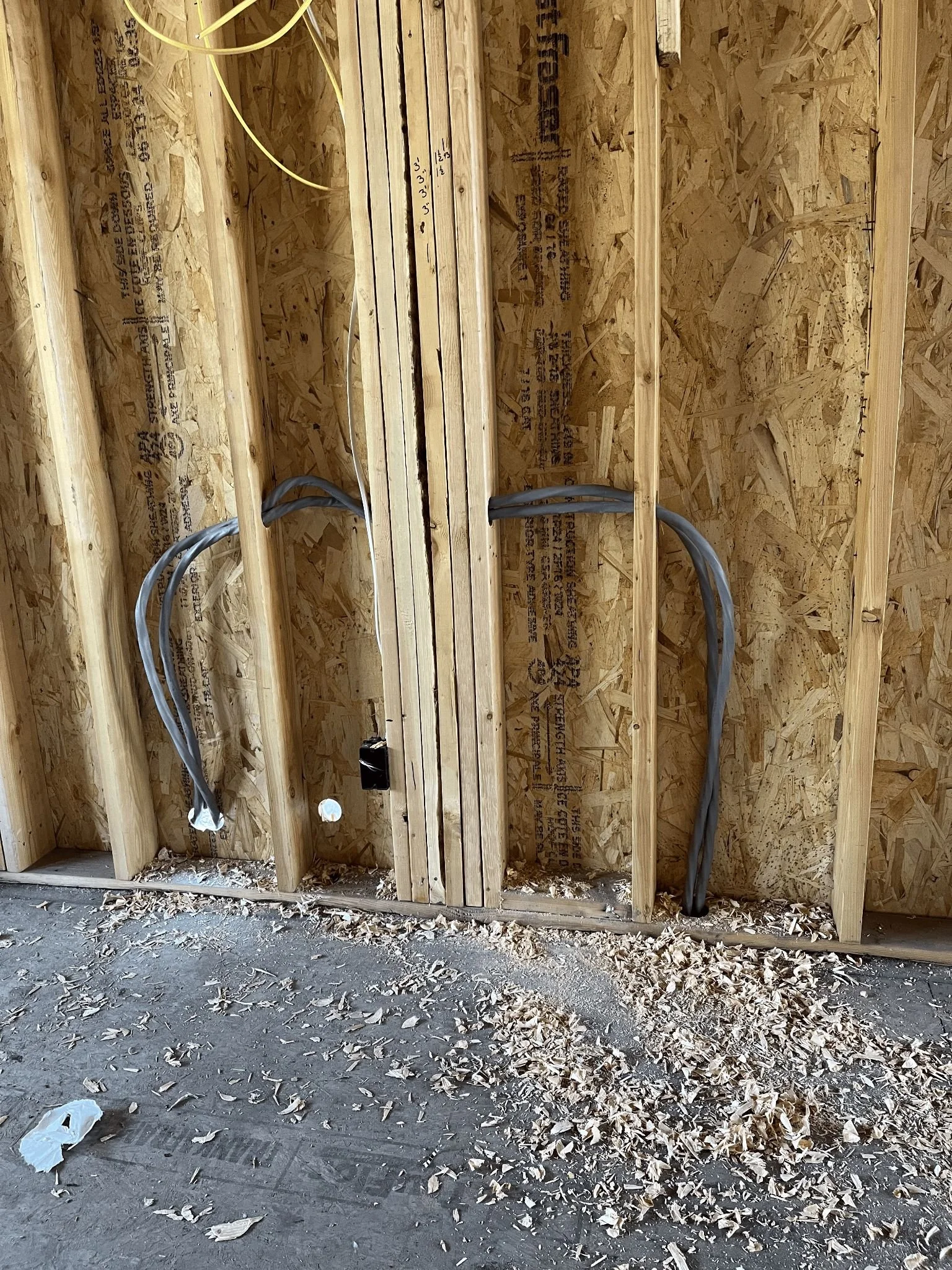
Two homeowners who purchase identical chargers may receive very different installation quotes. One garage sits beside the electrical panel. Another requires a long wiring run through finished walls or underground conduit.
A useful quote connects those conditions to specific work. Homeowners should look for the proposed circuit rating, wiring route, permit responsibility, and any recommended electrical changes. If the electrician suggests an electrical panel upgrade, ask which finding supports it and whether a lower charging output would meet daily needs.
Correct installation also supports reliable use after the electrician leaves. Appropriate conductors and sound connections help limit overheating, while properly matched protection reduces avoidable interruptions. Clear documentation makes future troubleshooting easier, especially when the household eventually adds another EV.
Common EV charger installation mistakes electricians help prevent
A homeowner may purchase a high-output charger without confirming that the home can support its maximum output. Others assume an existing dryer receptacle provides an easy connection because it uses 240 volts.
An electrician evaluates the actual outlet and circuit rather than relying on its appearance. Frequent plugging and unplugging, worn contacts, or an unsuitable receptacle may create overheating concerns during sustained charging.
Other avoidable mistakes include:
Choosing circuit protection without accounting for the charger's continuous current
Routing EV charger wiring where moisture or physical damage could affect it
Skipping a permit when the local authority requires one
Setting charging output above the circuit's permitted limit
An electrician checks EV charger wiring and equipment settings before problems disrupt charging.
How much electrical capacity does a home EV charger need?
The required capacity depends on the charger's maximum continuous output and the home's existing load. Under typical code rules, a 40-amp continuous charging load requires a circuit with at least a 50-amp rating. Likewise, a charger that delivers 32 amps generally needs a 40-amp circuit.
The right circuit size depends on the charger's power requirements and the home's available electrical capacity. Charging speed also depends on the vehicle, so homeowners should consider their daily driving needs when choosing equipment. The EPA recommends reviewing your charging needs before deciding which home charging setup works best.
What to prepare before an installation estimate
A little preparation helps the electrician give a useful recommendation. Before the visit, gather the following:
Your vehicle's make and model, along with your usual daily driving distance
The charger model or specifications, if you've selected equipment
Your preferred parking spot and the location of the electrical panel
Any HOA rules that affect exterior equipment or shared parking
Ask whether the quote includes permits and inspection coordination. Mention plans for a second EV or another major electrical addition, too, if you have one.
FAQ
Can any electrician install an EV charger?
Choose an electrician with the appropriate license and experience in residential charging circuits. Ask whether they handle local permits and are familiar with your charger's installation instructions. Utah homeowners can verify credentials through the Division of Professional Licensing's verification tool.
What are the requirements to install an EV charger?
Level 2 home EV charger installation generally requires adequate electrical capacity, a suitable 240-volt circuit, compatible charging equipment, and any permits required by the local authority. An electrician reviews these conditions and identifies any additional work before installation.
Can you charge an EV with 100-amp service?
Yes, some homes with 100-amp service support Level 2 charging. Available capacity depends on the home's existing electrical demand. An electrician may recommend a smaller charging circuit or load management if the preferred charger exceeds the available capacity.
What happens if you do electrical work without a permit?
When local rules require a permit, skipping it may lead to failed inspections or corrective work later. Homeowners should ask the contractor who obtains the permit and schedules the inspection before approving the installation.
Is an EV outlet the same as a dryer outlet?
Not necessarily. Dryer outlets differ in their configuration and circuit rating. An electrician checks the receptacle and circuit conditions before recommending EV charging equipment. Don't assume an adapter makes an existing laundry circuit suitable for regular charging.
Can I charge an EV with a regular outlet?
Many electric vehicles support Level 1 charging through a suitable 120-volt outlet. It usually adds range slowly, so driving habits influence whether it meets your needs. Avoid extension cords and have an electrician assess any outlet that shows damage or overheating.
Is it safe to put an EV charger in the garage?
A garage is a common location for home charging. The electrician selects a practical mounting location and routes the electrical supply appropriately. Keep charging cables clear of vehicle movement and choose equipment that suits the installation environment.
Is a 40-amp breaker enough for an EV charger?
A 40-amp circuit typically supports up to 32 amps of continuous EV charging. A charger that delivers 40 amps usually needs a 50-amp circuit. The electrician follows the equipment instructions and applicable code when choosing the final settings.
How expensive is it to install an electric car charger?
Installation costs depend on wiring distance and the work the home's electrical system needs. Panel changes and permit fees may affect the total. Request an itemized quote that explains the proposed circuit and any necessary upgrades.
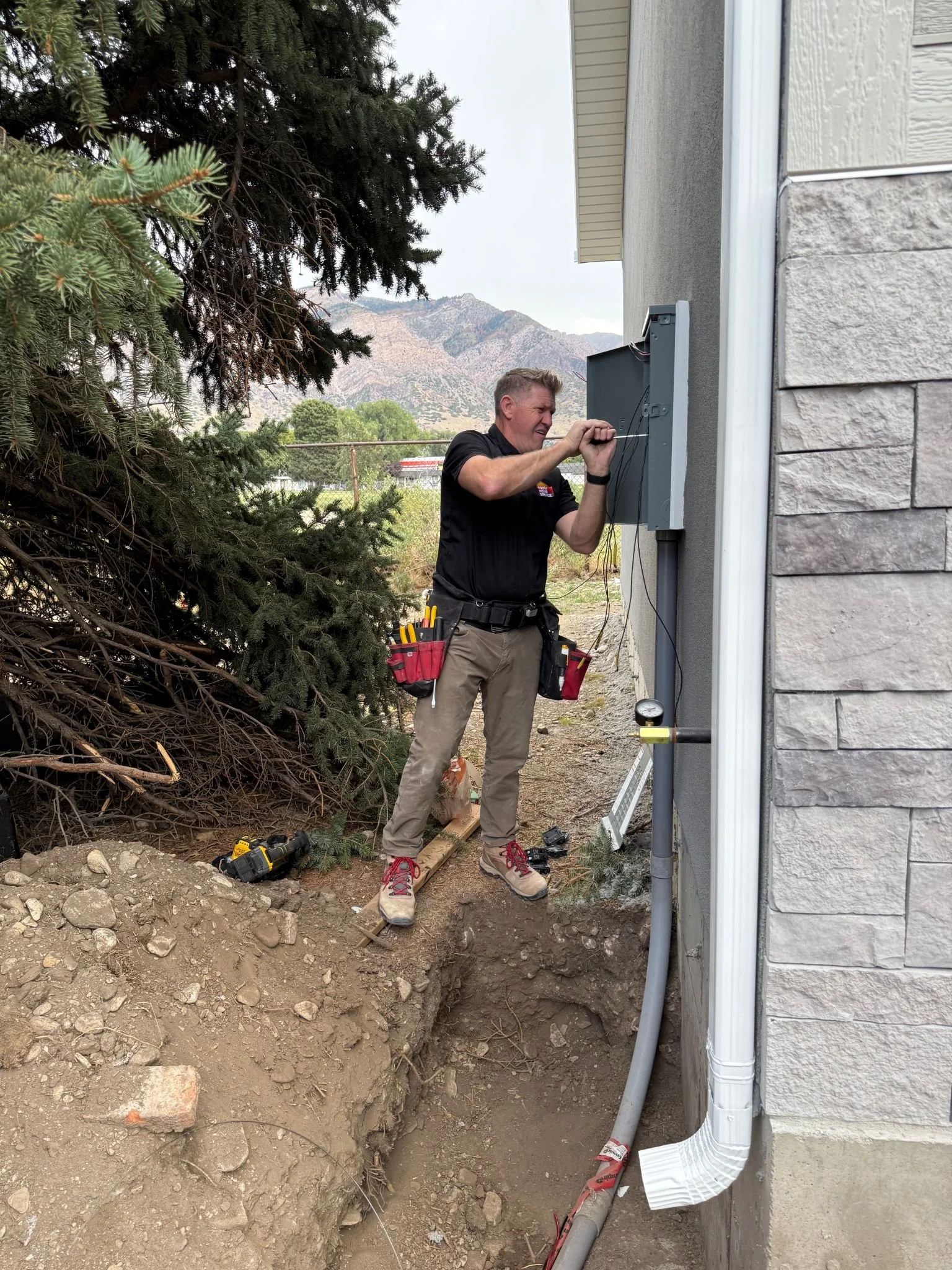
Schedule EV charger installation with Today Home Service
The right charging setup begins with understanding your home's electrical system. A licensed electrician checks the available capacity, explains installation options, and completes the electrical work required by the chosen charger.
Today Home Service helps Utah homeowners assess their electrical systems and plan home EV charger installation that fits their vehicles and daily routines. If you're ready to discuss the next step, contact Today Home Service to request an installation quote.
